
Suicide Prevention
Spreading Awareness on the Hidden Signs
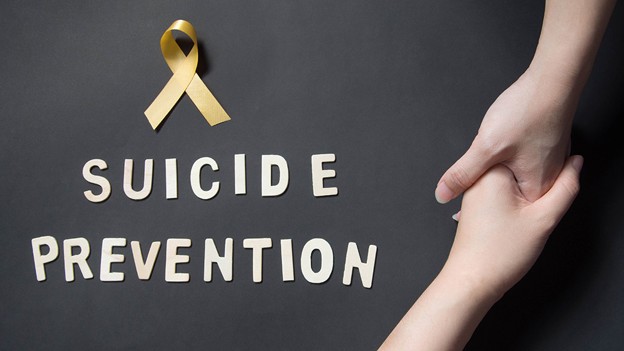
September: Suicide Awareness Month
Important Dates:
September 8th – 988 Day: A day of action focused on building positive awareness for the 988 Lifeline.
September 10th – World Suicide Prevention Day: An international day dedicated to remembering those affected by suicide and focusing prevention effort
Unless you know what to look for, the hidden warning signs of suicidal ideation often go unnoticed. Unfortunately, this tragic oversight is a missed opportunity for intervention. Missing these warning signs can have fatal outcomes.
At the age of 16, I found myself scrolling on Facebook before bed when I noticed an odd status posted by my 20-year-old cousin. All that was written under the post was “bye.” I thought it was a bit strange, so I took a screenshot to show to my mom and fell asleep. I had forgotten all about the post by the time I woke up, so I got ready for school and carried on with my day. When I got home, my mom told me to have a seat because she had some news about Kaitlynn. She looked so distraught, as if it were hard for her to get the words out. In that moment, my brain put two and two together, and I said, “she killed herself,” half a question, half a statement. My mom confirmed with a nod.
I hold onto guilt surrounding her death. Three days prior, she had reached out to me via direct message regarding requesting old family photos, which I had ignored. She and I had been clashing over a petty argument, and I did not feel like engaging with her, so I left the message unopened. Looking back, I now realize it was a cry for help. She was reaching out to her support system, only to be disregarded. When she needed someone, she turned to me, and I wasn’t there for her when she needed it the most. This year, Kaitlynn would have been celebrating her 32nd birthday.
When we think about someone who may be struggling with suicidal thoughts, we might imagine someone who is obviously sad, withdrawn, or crying all the time. The reality is that it does not always look that way. Some people become very good at hiding what they are going through, which is why suicide awareness and simply paying attention to the people around us are so important.
One important part of suicide awareness is recognizing that not all warning signs are obvious. These can be hidden signs that are easy to overlook. Someone might suddenly stop talking to friends, lose interest in things they normally enjoy, start sleeping much more or much less, or make comments about feeling like a burden. They might start giving away things that are important to them, putting their affairs in order, or saying goodbye in a way that feels different than usual. Sometimes, a person who has been struggling may even seem unexpectedly calm or happy. That change does not necessarily mean they are doing better.
We also must remember that someone can seemingly be alright, i.e. smiling, joking, going to work, going to school, but still hurting inside. We cannot always see what someone is carrying.
Sometimes, the most important thing we can do is simply check in. Ask how someone is really doing. Listen without judging or immediately trying to fix everything. Let them know that their feelings matter and that they do not have to go through difficult moments alone.
These signs do not automatically mean someone is suicidal, but they are reasons to pay attention. Sometimes a simple question such as, “Are you okay? I’ve noticed you seem different lately,” can open the door to an important conversation.
Suicide awareness is more than recognizing warning signs. It is about creating an environment where people feel safe enough to speak about their struggles without feeling ashamed or judged. We may never know how much one conversation, one phone call, could mean to someone. How simply saying “I’m here for you” could change the trajectory of a potential tragedy and save lives! Being aware while also spreading awareness saves lives!
3 R’s of Suicide Awareness and Prevention
Recognize - “Spot the warning signs of distress or suicide risk in someone. Signs include changes in behavior, talking about feeling hopeless or wanting to die, withdrawal from others, or sudden mood shifts.”
Respond - “Talk to the person directly and calmly. Ask openly if they are thinking about suicide, listen without judgment, and let them know they are not alone.”
Refer - Connect the person to professional help or crisis resources right away. Do not leave an individual at high risk alone.
Look beyond the surface. Check on the people you care about. Sometimes the person who says they are fine is the person who needs someone to ask twice.
If you or someone you know is struggling with thoughts of suicide in the United States, call or text 988 to reach the Suicide & Crisis Lifeline.
For more information and support, please visit this free community resource guide that provides public education material and resources to support families struggling with suicide prevention.
https://www.floridadisaster.org/dem/recovery/Disaster-Mental-Health-Resources/